One-Seven North Carolina Bankruptcies Linked to Rent-A-Bank Loans
Submitted by S. Patterson on Wed, 10/14/2026 - 11:14am

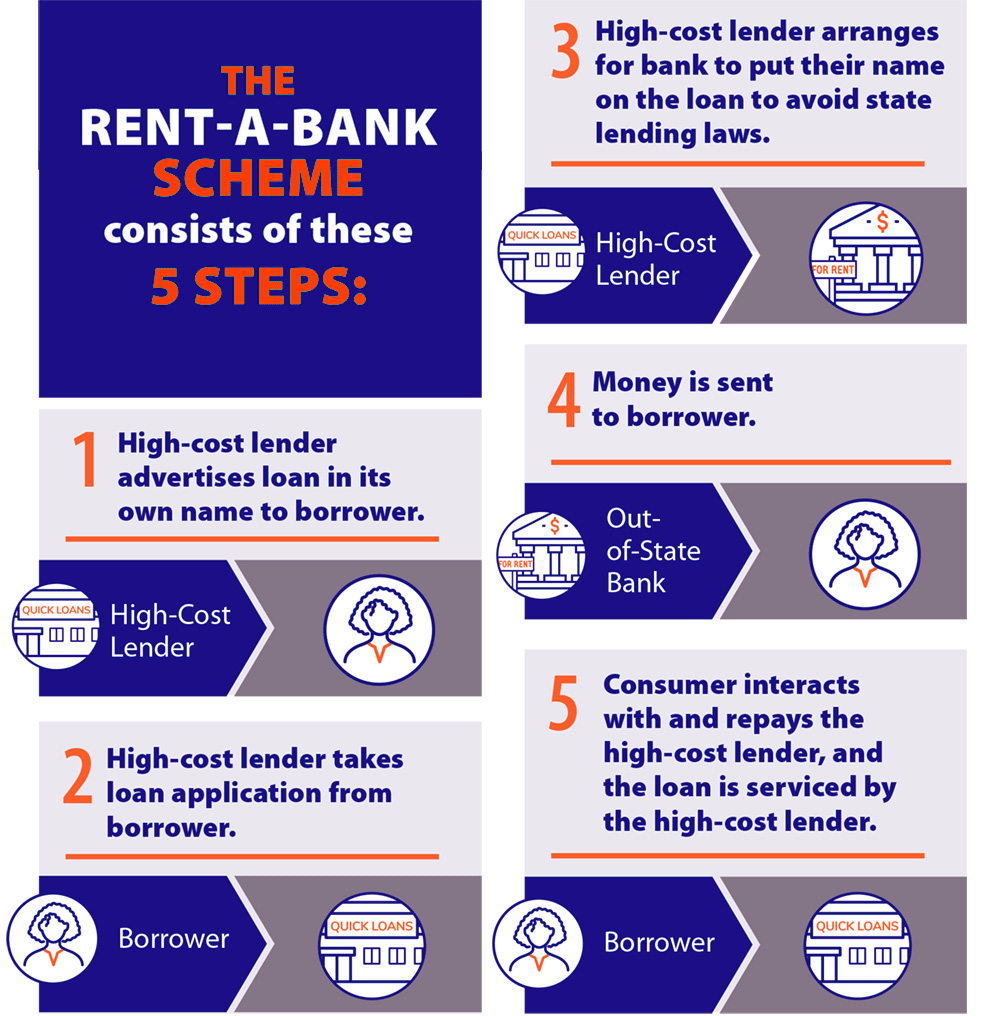
Rent-a-bank lending is a high-cost loan arrangement in which a fintech company partners with an out-of-state bank to make loans while avoiding North Carolina’s interest-rate limits. A recent Center for Responsible Lending study found that these lenders appeared as creditors in 1,055 of 7,274 North Carolina personal bankruptcies filed from 2018 through 2023 -14.5%, or about one in seven cases. In plain terms, expensive loans that may sidestep state consumer protections are showing up repeatedly in the finances of people who ultimately cannot keep up with their debts.
A “rent-a-bank” loan usually starts with a technology-based lender, not a traditional bank. The fintech company advertises the loan, accepts applications, services payments, and collects the debt, but an out-of-state bank formally originates the loan and its name appears on the paperwork. Because the bank is based in a state with little or no interest-rate cap, the arrangement can help the lender avoid North Carolina’s limits on interest and fees.
These loans are often marketed to people with lower credit scores or lower incomes, and they can carry very high annual percentage rates. In the study’s sample of bankruptcy claims with visible APR disclosures, rates ranged from 14% to 388%, and at least 44 of 58 disclosed claims exceeded North Carolina’s 33% cap for the loans reviewed. When borrowers cannot repay on schedule, refinancing can add more fees and interest, turning a relatively small loan into a much larger long-term burden.
Bankruptcy is the legal process for consumers (regular people) who can no longer pay their bills, and the study found rent-a-bank loans were common among people already under heavy financial pressure. Nearly three-quarters of borrowers in the analyzed filings reported annual incomes below $60,000, while their average debts were about $172,000. High-interest loans used for necessities, such as car repairs, household goods, or other everyday expenses can consume income needed for rent, food, and other bills, making bankruptcy more likely.
In short, rent-a-bank lending can make borrowing look convenient while hiding or enabling very expensive repayment terms. For North Carolina families already living paycheck to paycheck, those costs can add up quickly and contribute to serious debt problems. The bankruptcy findings are a warning that state consumer protections may be being bypassed through out-of-state banking partnerships.
Debts Hurt! Got debt? Need help? Get started below!
Serving All of North Carolina
- Bankruptcy Attorneys Raleigh NC (North)
- Bankruptcy Attorney Fayetteville NC
- Bankruptcy Attorney Durham NC
- Bankruptcy Attorneys Wilson NC
- Bankruptcy Attorneys Greensboro NC
- Bankruptcy Attorneys Southport NC
- Bankruptcy Attorneys Wilmington NC
Bankruptcy Attorneys Raleigh NC (North)
6616 Six Forks Rd #203 Raleigh, NC 27615 North Carolina
Tel: (919) 847-9750

Bankruptcy Attorney Fayetteville NC
2711 Breezewood Ave Fayetteville, NC 28303 North Carolina
Tel: (910) 323-2972

Bankruptcy Attorney Durham NC
1738 Hillandale Rd Suite D Durham, NC 27705 North Carolina
Tel: (919) 286-1695


Bankruptcy Attorneys Greensboro NC
2100 W Cornwallis Dr. STE O Greensboro, NC 27408 North Carolina
Tel: (336) 542-5993

Bankruptcy Attorneys Southport NC
116 N Howe St. Suite A Southport, NC 28461 North Carolina
Tel: (910) 218-8682

Bankruptcy Attorneys Wilmington NC
116 N. Howe Street, Suite A Southport, NC 28461 North Carolina
Tel: (910) 447-2987
